


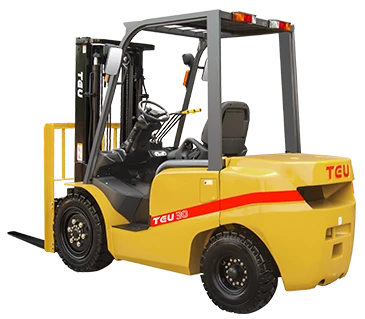
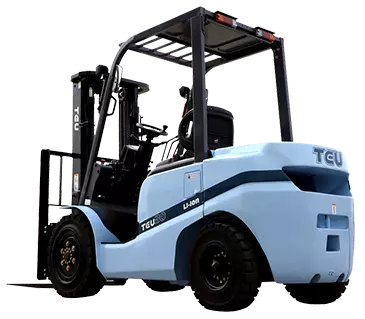
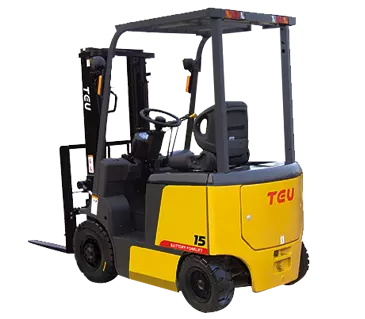
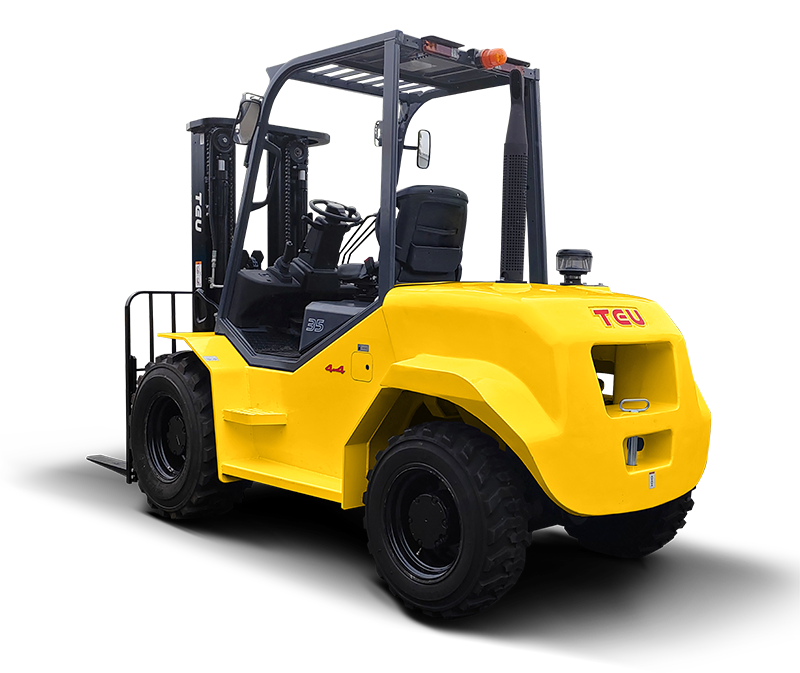
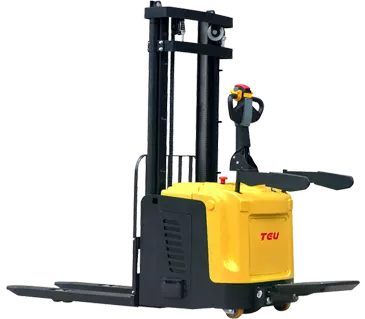
In an era where every tech headline is dominated by “lithium-this” and “solid-state-that,” it’s easy to overlook the steady, reliable heartbeat of the modern warehouse: the رافعة شوكية تعمل ببطارية الرصاص الحمضية. While newer technologies certainly have their place, there’s a reason why seasoned fleet managers and logistics experts continue to lean on lead-acid power. It isn’t just about tradition; it’s about a proven track record of durability and cost-effectiveness.
If you’ve spent any time on a busy loading dock, you know that the “best” equipment isn’t always the flashiest—it’s the one that shows up every morning and gets the job done without breaking the bank.
The Enduring Appeal of Lead-Acid Technology
The primary draw of the heavy-duty electric forklift powered by lead-acid cells is its sheer dependability. Unlike some sensitive electronics, these batteries are incredibly resilient to the “rough and tumble” nature of industrial environments. They provide a natural counterweight for the machine, enhancing stability during high-lift operations.
From a financial perspective, the initial investment for electric forklifts using lead-acid technology remains significantly lower than their lithium counterparts. For businesses running single-shift operations or those with a robust battery-swapping infrastructure, the ROI is often unbeatable. You aren’t just buying a tool; you’re investing in a predictable, manageable energy solution.
|
|
|
Performance Meets Sustainability
One of the biggest misconceptions is that lead-acid is “dirty” technology. In reality, lead-acid battery recycling is one of the greatest success stories in industrial circularity. Nearly 99% of the battery components can be recovered and repurposed.
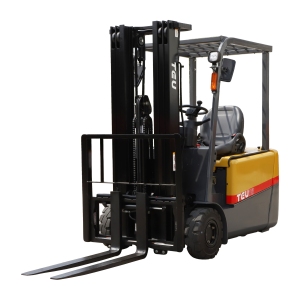
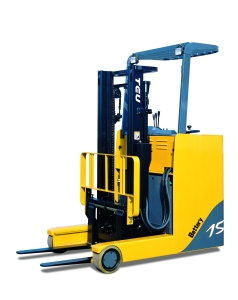
When you pair this sustainability with the smooth, emission-free performance of a TEU electric counterbalance forklift, you get a machine that is as kind to your indoor air quality as it is to your bottom line. At TEU, we’ve spent years refining our mast designs and motor controllers to ensure that every ounce of energy from that battery is translated into precise, fluid movement. We don’t just build forklifts; we build long-term material handling partnerships based on efficiency and trust.
Maximizing Your Fleet’s Lifespan
To get the most out of your industrial battery maintenance routine, consistency is key. Proper watering, equalizing charges, and avoiding “short charging” can extend the life of your power cells by years. When handled correctly, a high-quality lead-acid unit provides a consistent voltage curve that handles the demanding peaks of a high-capacity lifting task without breaking a sweat.
Frequently Asked Questions (FAQ)
Q1: How long does a lead-acid battery typically last in a forklift? With a disciplined forklift battery charging schedule, you can typically expect 1,500 to 2,000 charge cycles. For most operations, this translates to roughly five to seven years of reliable service before a replacement is needed.
Q2: Is a lead-acid forklift suitable for cold storage environments? Yes, but with caveats. Lead-acid batteries can lose capacity in extreme cold. However, using a cold-spec forklift configuration and ensuring the battery is charged in a room-temperature environment allows them to perform admirably in refrigerated warehouses.
Q3: How does the maintenance compare to other power sources? It requires more “hands-on” time—specifically checking water levels and cleaning terminals. However, the cost of forklift spare parts and the simplicity of the electrical system often make lead-acid models much easier and cheaper for in-house teams to repair.