


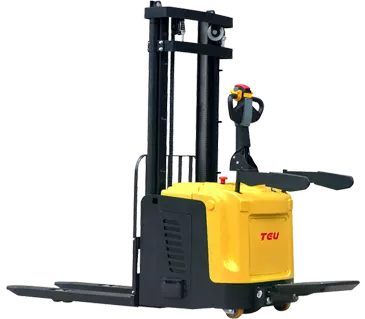
L'évolution de la manutention hors route
Dans le contexte industriel mondial actuel, la frontière entre l'entreposage traditionnel et la logistique sur sites isolés s'estompe. De l'expansion des fermes d'énergies renouvelables en Amérique du Sud aux projets d'infrastructures massifs en Asie du Sud-Est, la demande en équipements de manutention capables d'opérer hors des limites traditionnelles des sites bétonnés atteint des niveaux sans précédent. Pour les responsables des achats B2B, les concessionnaires d'équipements et les chefs de projet de construction, Chariot élévateur tout-terrain (RTFL) Le chariot élévateur tout-terrain est passé d'un luxe de niche à une nécessité opérationnelle fondamentale. Cependant, choisir le modèle adéquat exige une connaissance approfondie des paramètres mécaniques et de l'adaptabilité à l'environnement. Ce guide explore les critères essentiels qui définissent un chariot élévateur tout-terrain haute performance en 2026.
Dynamique de transmission et de traction supérieure
Le principal élément de différenciation d'un véritable chariot élévateur tout terrain Sa capacité à maintenir une bonne adhérence sur des surfaces non cohésives comme la boue, le gravier et le sable meuble est essentielle. Lors de l'évaluation d'éventuels ajouts au parc automobile ou à la flotte, la configuration de la transmission est le premier élément technique à examiner.
-
Transmission intégrale (4WD) contre transmission à deux roues motrices (2WD) : Bien que certains modèles “ semi-robustes ” proposent deux roues motrices, pour un usage professionnel, il est préférable d'opter pour une transmission intégrale permanente ou sélectionnable. Cela garantit une répartition optimale du couple sur les quatre roues, évitant ainsi le phénomène de “ blocage ” fréquent sur les chariots élévateurs industriels classiques à roues arrière directrices.
-
Blocages différentiels : Un paramètre essentiel, mais souvent négligé, est la présence d'un différentiel à glissement limité ou d'un blocage de différentiel manuel. Sur terrain accidenté, une roue peut perdre l'adhérence ; un différentiel de qualité garantit que la puissance est transmise aux roues ayant la meilleure traction, permettant ainsi à l'engin de franchir des ornières où un chariot élévateur standard resterait bloqué.
-
Essieux directeurs oscillants : Pour que les quatre pneus restent en contact avec le sol sur un terrain accidenté, l'essieu directeur doit offrir une grande amplitude d'oscillation (souvent jusqu'à 10 degrés, voire plus). Cette flexibilité mécanique assure la stabilité latérale nécessaire pour éviter le basculement lors du transport de charges lourdes en pente.
Paramètres géométriques : jeu et angles
Au-delà du moteur et des pneus, la géométrie du châssis détermine les limites de déplacement de la machine. Dans les fiches techniques B2B, trois chiffres sont essentiels : Garde au sol, angle d'attaque et angle de départ.
-
Dégagement sous le châssis : Un chariot élévateur tout-terrain professionnel doit offrir une garde au sol minimale de 270 à 320 mm à son point le plus bas (généralement au centre du châssis). Ceci évite le blocage lors du franchissement de buttes ou de débris.
-
La règle des 30/30 : Les fabricants haut de gamme conçoivent leurs machines avec un angle d'attaque (avant) et un angle de fuite (arrière) d'environ 30°. Cela permet au chariot élévateur de passer d'une surface plane à une pente raide — comme une rampe de chargement ou une colline naturelle — sans que le contrepoids ou le bas du mât ne racle le sol.
-
Pneus tout-terrain à base large : L'utilisation de pneus pneumatiques de grand diamètre et à profil profond est essentielle. Ces pneus offrent une plus grande surface de contact au sol, ce qui réduit la pression au sol (PSI) et empêche la machine de s'enfoncer dans les sols meubles, tandis que leur profil agressif assure une adhérence mécanique maximale.
Ingénierie pour l'intégrité structurelle et la stabilité des charges
En terrain accidenté, le mât et le chariot sont soumis à d'importantes contraintes de torsion. À chaque choc subi par la machine lorsqu'elle transporte une charge de 3 tonnes, l'énergie cinétique est directement transmise aux vérins hydrauliques et aux glissières du mât.
-
Profilés de mât renforcés : Recherchez des mâts construits en profilés d'acier laminés à haute résistance. Les rouleaux doivent être surdimensionnés et robustes pour supporter les forces latérales exercées lorsque la charge se déplace lors du transport sur un terrain rocailleux.
-
Le paradoxe du “ centre de gravité bas ” : Bien qu'une garde au sol élevée soit nécessaire, un centre de gravité haut représente un risque pour la sécurité. Les principaux constructeurs résolvent ce problème en plaçant le moteur et les composants hydrauliques lourds au plus bas possible dans l'empattement. Cette conception “ sous châssis ” améliore la stabilité statique et dynamique de l'engin, permettant ainsi une utilisation plus sûre aux hauteurs de levage maximales.
-
Amortissement hydraulique : Les chariots élévateurs à fourche à contrepoids (RTFL) de dernière génération utilisent un amortissement hydraulique dans les vérins de levage. Ce système agit comme un amortisseur pour la charge, empêchant les fourches de rebondir violemment et de risquer de perdre la palette lors de la circulation sur des terrains accidentés.
Moteurs à couple élevé et efficacité de refroidissement
Le cycle de travail d'un chariot élévateur d'extérieur est nettement plus exigeant que celui d'un chariot élévateur d'intérieur. Le moteur doit fournir un couple élevé à bas régime pour faciliter le franchissement progressif des obstacles et l'ascension de pentes raides.
-
Couple contre puissance : Sur le marché B2B de 2026, les acheteurs privilégieront les moteurs optimisés pour le couple. Ceci garantit que la pompe hydraulique conserve un débit maximal pour le levage, même lorsque le moteur est fortement sollicité par la transmission.
-
Gestion thermique : La poussière, les débris et les températures ambiantes élevées réduisent considérablement la durée de vie d'un chariot élévateur. Un chariot élévateur professionnel est équipé d'un radiateur haute capacité et robuste, doté d'ailettes espacées pour éviter tout colmatage. Un système de refroidissement performant est un indicateur essentiel de la capacité d'une machine à fonctionner en continu sous des climats tropicaux ou arides.
Ergonomie et visibilité pour l'opérateur professionnel
La sécurité sur le terrain dépend en grande partie de la visibilité. Un conducteur qui peut voir l'état du terrain à 360 degrés autour de la machine a moins de risques de provoquer un accident.
-
La cabane flottante : Pour protéger l'opérateur des vibrations constantes liées à l'utilisation hors route, les meilleurs constructeurs utilisent un poste de conduite “ flottant ”, monté sur des amortisseurs hydrauliques ou en caoutchouc. Cela réduit la fatigue de l'opérateur, un facteur essentiel pour la sécurité au travail.
-
Conception de mât à vision dégagée : En élargissant l'espace entre les rails du mât et en optimisant le cheminement des flexibles hydrauliques, les fabricants offrent une vue panoramique. Ceci est essentiel lorsque l'opérateur doit se déplacer dans des espaces étroits sur un chantier complexe.
Conclusion
Pour un distributeur international ou un grand entrepreneur, le “ meilleur ” chariot élévateur n'est pas seulement celui dont le prix est le plus bas ; c'est celui qui minimise le coût total de possession grâce à sa durabilité et à ses performances. En se concentrant sur la sophistication de la transmission, la géométrie du châssis et le renforcement de la structure, les équipes d'approvisionnement peuvent se procurer un équipement capable de fonctionner dans les environnements les plus exigeants au monde.
Modernisez votre flotte avec la série TEU FRD
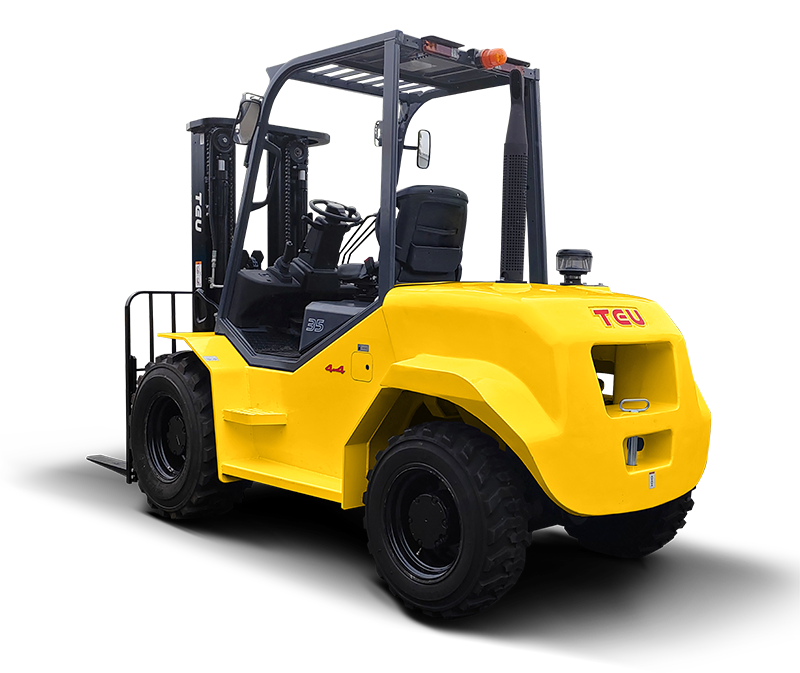
Si vous recherchez une machine puissante alliant agilité et force brute, la Chariot élévateur tout terrain série TEU FRD Conçue pour les environnements les plus difficiles, notre machine est dotée d'un châssis surélevé et d'une transmission haute performance spécialement conçus pour résister aux contraintes de la manutention hors route.
Le Série TEU FRD caractéristiques:
-
Performances à couple élevé : Optimisé pour l'escalade et le levage de charges lourdes sur des surfaces non pavées.
-
Stabilité à toute épreuve : Un système de pneus à base large et à bande de roulement profonde et un centre de gravité bas pour une confiance maximale de l'opérateur.
-
Fabrication de précision : Rouleaux de mât robustes et cadres renforcés conçus pour résister à des années d'utilisation intensive en extérieur.
Devenez partenaire de TEU dès aujourd'hui Nous proposons à votre marché local des solutions de manutention de haute qualité et d'une durabilité exceptionnelle. Découvrez la différence qu'apporte l'ingénierie de précision, même sur les terrains les plus difficiles.