


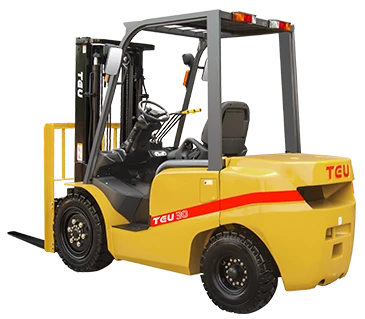
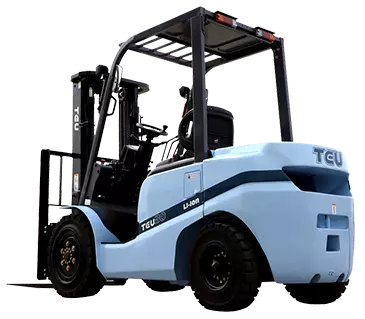
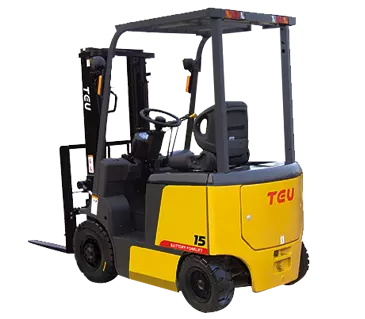
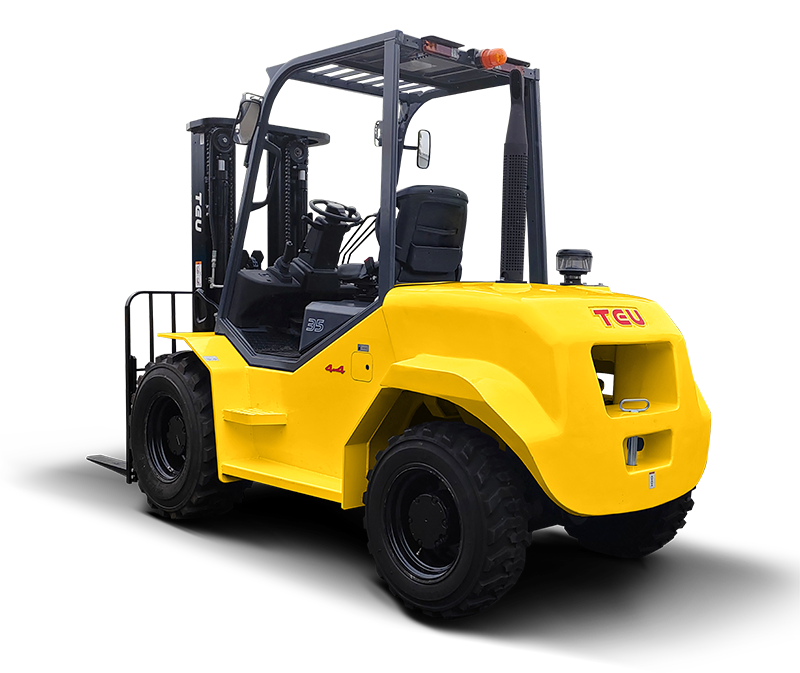
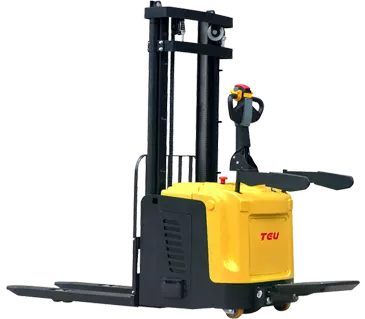
For decades, the heavy material handling sector—ports, lumber yards, and construction sites—has been dominated by Internal Combustion (IC) forklifts running on diesel or LPG. The prevailing belief was simple: electric trucks lacked the raw power and stamina for rugged outdoor work.
However, the landscape has shifted. With the maturity of 80V and higher-voltage lithium-ion (Li-ion) systems, the performance gap has not just closed; it has inverted. For fleet managers and global distributors, the question is no longer if electric can replace internal combustion, but how much efficiency is being lost by sticking to traditional engines.
Here is a technical comparison of High-Voltage Li-ion Forklifts versus IC Forklifts, focusing on power, durability, and operational logic.
Powertrain Performance: Torque and Gradeability
The most common concern for heavy-duty applications is power. Can an electric motor match a diesel engine on a steep ramp carrying a 5-ton load?
Instant Torque Delivery: unlike IC engines, which require distinct RPMs to reach peak torque, high-voltage AC motors deliver maximum torque instantly. This results in superior acceleration and smoother handling of heavy loads from a standstill.
Gradeability: Modern high-voltage Li-ion forklifts are engineered to match or exceed the gradeability of their IC counterparts. Through advanced controller algorithms, these trucks maintain consistent lifting speeds and travel capability even on inclines, without the power lag associated with engine transmission shifting.
Energy Logic: Refueling vs. Opportunity Charging
In multi-shift operations, the “downtime” required to keep the machine running is a critical KPI.
IC Forklifts: Require specific refueling trips. While refilling a tank is fast, the logistics of storing fuel, managing flammables, and the engine maintenance downtime (oil changes, filter replacements) add up significantly over a year.
Li-ion Forklifts: Utilize Opportunity Charging. A high-voltage system paired with a fast charger allows operators to plug in during 15-minute breaks or lunch hours.
Efficiency: The battery can accept high C-rates (charging currents), recovering significant capacity quickly without degrading the cells. This eliminates the need for battery swapping rooms or fuel storage infrastructure.
Durability in Extreme Environments
Can Li-ion batteries handle rain, dust, and freezing temperatures? This is often the deciding factor for outdoor industries.
Thermal Management: Top-tier Li-ion manufacturers utilize LFP (Lithium Iron Phosphate) chemistry combined with integrated thermal management systems. In cold storage applications (down to -30°C), the battery’s self-heating function ensures optimal discharge performance, whereas IC engines often struggle with cold starts and fluid viscosity.
Sealed Design: unlike lead-acid batteries that require venting, high-quality Li-ion packs are fully sealed units. This design protects the cells and BMS (Battery Management System) from dust ingress and water splashes, making them just as capable of operating in lumber yards or rainy ports as a diesel truck, but without the risk of air intake contamination.
Operator Experience and Ergonomics
Driver retention is a growing challenge in global logistics. The machine’s impact on the human operator is now a procurement specification.
Vibration and Noise: IC forklifts generate significant vibration and noise (often exceeding 80dB), which accelerates operator fatigue. High-voltage electric trucks operate silently with minimal powertrain vibration. This precision control reduces the physical strain on drivers during long shifts.
Zero Emissions: For “indoor-outdoor” hybrid operations, IC trucks often require expensive ventilation upgrades to manage exhaust fumes. Li-ion forklifts offer a seamless transition from unloading a truck outside to stacking inside a warehouse without compromising air quality.
Conclusion: Making the Switch
The transition from IC to High-Voltage Li-ion is not merely an environmental choice; it is a performance upgrade. By eliminating the mechanical complexity of engines and transmissions, businesses gain a machine that offers higher uptime, instant power response, and reduced maintenance overheads.
For distributors and manufacturers looking to future-proof their fleet, the focus should be on sourcing equipment that integrates high-voltage architecture with robust thermal management. The era of diesel dominance is ending—not because of regulation, but because a better technology has arrived.