


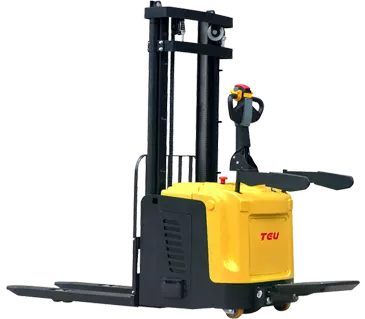
Working in low temperature facilities such as cold storage facilities, refrigerated warehouses or other low-temperature facilities places substantial demands on electric forklifts. Performance impacts work efficiency and safety directly while selection of an appropriate cold-resistant electric forklift not only ensures operational efficiency but also extends equipment lifespan and ensures operator safety – this article provides a detailed guide to assist buyers make an informed decision when purchasing such forklifts for winter cold-resistant use.
Cold Performance Rating (Cold Rating)
It is crucial when selecting a cold-resistant electric forklift to understand its cold performance rating. Different forklift models can withstand various low temperature ranges; some models can even operate down to temperatures as low as -20degC! In extreme cold environments, components must not become damaged or experience performance degradation due to extreme cold – thus, it is vital that forklifts designed specifically for cold environments can operate with minimum operating temperatures that have been specified – particularly important components like battery, hydraulic system and electrical parts.
Sealing and Moisture Resistance (Sealed Components and Moisture Resistance)
Cold environments often combine humidity or frost with condensation (water vapor condensation). When forklifts operate frequently between cold and normal temperature environments, condensation (water vapor condensation) may form and be improperly protected against. Without sufficient protection against it, this condensation could lead to electrical component short circuiting or corrosion and cause malfunctions on their electrical components or wiring, potentially leading to malfunctions on board a forklift. To address this, all forklift’s electrical components, connectors and wiring should be sealed and moisture resistant – IP54 rating would ensure maximum efficiency during wet/cold environments.
Material and Lubricant Selection
- Structural Materials: As certain materials become brittle or crack in cold environments, it is vital to use high-strength materials designed specifically for low temperatures as frame materials and key structural parts of a forklift.
- Hydraulic System: At low temperatures, hydraulic oil can thicken significantly and compromise system responses or cause system failure. Therefore, in such conditions it is critical that special low-temperature hydraulic oils and cold-resistant seals be utilized so as to maintain normal operations of your hydraulic system in these colder conditions.
Operator Comfort in the Cabin
Operating forklifts in cold environments presents operators with unique challenges. Therefore, cabin comfort should always be prioritized; in environments with extremely low temperatures it is advisable to choose forklifts equipped with fully enclosed heated cabins to reduce fatigue caused by cold environments and ensure optimal safety and efficiency for forklift operators.
Tire Selection
In cold and slippery environments, forklift traction and stability are of utmost importance. To maximize grip on icy or frost-covered surfaces and lower risk of tipping over, select forklifts equipped with anti-slip tires or pneumatic tires designed specifically to operate at lower temperatures – either anti-slip tires or pneumatic tires designed specifically to work at lower temperatures if available.
Battery and Charging Management
A cold-resistant electric forklift’s battery system is its lifeblood. Low temperatures have a dramatic impact on lead-acid batteries, which lose capacity and output power significantly in freezing conditions. Modern lithium-ion batteries offer far superior cold-weather performance; providing stable operation even at extreme low temperatures.
Comparison of Lithium-Ion and Lead-Acid Batteries
|
Feature |
Lead-Acid Battery |
Lithium-Ion Battery |
|
Cold-Temperature Performance |
Poor, significant capacity loss (30%-50%) and weak discharge capability in freezing temperatures. |
Good, minimal capacity loss, stable discharge performance, and high efficiency. |
|
Cold-Temperature Charging |
Must be charged in a warm area, with a long charging time. |
Built-in heating system, allowing for safe and fast charging in low temperatures. |
|
Energy Density |
Low, large size, and heavy weight. |
High, compact size, lightweight, providing longer runtime. |
|
Charging Efficiency |
Slow charging time (approximately 8-10 hours), typically requiring battery replacement. |
Fast charging, supports opportunity charging, no need for battery replacement. |
|
Maintenance Requirements |
Requires regular water top-ups and balanced charging, complex maintenance. |
Maintenance-free, with built-in Battery Management System (BMS). |
|
Initial Cost |
Relatively low. |
Higher. |
|
Total Ownership Cost |
Higher (shorter lifespan, more maintenance, lower efficiency). |
Lower (longer lifespan, less maintenance, higher efficiency). |
Advantages of Lithium-Ion Batteries
Lithium-Ion Batteries Lithium-ion batteries are an ideal choice for cold-resistant electric forklifts, offering improved cold weather performance as well as higher efficiency and longer runtime. Their built-in heating system helps ensure optimal battery performance even in extremely cold temperatures to minimize capacity loss or charging issues caused by freezing conditions, while their fast charging capability enables opportunity charging (charging during breaks) that reduces downtime compared to lead-acid batteries which require extended charging times.
Conclusion
When purchasing a low temperature resistance electric forklift, it is imperative to carefully consider all of the above considerations. Lithium-ion batteries offer reliable performance with quick charging time and extended service life; in addition to this, sealings, hydraulic systems, structural materials, operator comfort are key factors when it comes to cold environments. By making the correct selection you can ensure your forklift operates efficiently, safely, and reliably under all weather conditions.